Deborah
A crowd-pleasing recipe is always something good to have in your back pocket. When catering large buffet parties I always like to include a dish that will knock everybody's socks off. I look to classic comfort foods for this, something that will resonate with most guests and ensure that people feel pampered and spoiled.
It is hard to go wrong with the fresh potatoes coming into the farm stands these days.
French chef and cookbook writer Madeleine Kamman's potato gratin suits the bill completely. This recipe is uncomplicated to make and deeply satisfying to eat. I always include it in my annual family Christmas dinner. It a great compliment for large spreads and goes especially well with roasts and braises of any kind.
These two well thumbed copies of her books have served me well. I had the pleasure of taking a cooking class with Ms. Kamman several years ago and my copy of her The New Making of a Cook is signed!
Last weekend I made this gratin for a party I catered for 30 guests. There was a lot of peeling, I went through ten pounds of potatoes and more than 1 quart of cream, but the beauty of the recipe is that it can easily be scaled up or down. The potatoes can be peeled and sliced the day before cooking and stored in the fridge completely covered in water. Once baked it can be kept warm in an oven for an hour or two before serving. Very forgiving, this recipe won't fail you. It is rich and decadent and perfect for a dinner party.
Potato Gratin
-based on a recipe by Madeleine Kamman
1 garlic clove
2 Tbs. butter
4 large potatoes, thinly sliced
pinch of ground nutmeg
s &p to taste
1 1/2 cups heavy cream
Rub garlic onto the bottom amd sides of an oven proof cassarole dish. I use a paper towl to hold the garlic and really crush it down as I rub. Discard the remains of the garlic and rub the dish with the butter. Layer the potato slices in the dish, adding salt and pepper and nutmeg to each layer as you go. Pour the cream into the pan and shake a bit to distribute around the potatoes. Bake for 1 1/2 hours, using a spatula every now and then during baking to push the potatoes down and allow the cream to rise up. There will be a golden brown crust when the dish is finished baking.
Will keep for at least two hours in a warm oven before serving if needed.
serves four.
Amanda
MMMMMM. How can this recipe not be delicious? As this would be a side dish, and not a main meal, you would pair a wine with the main course. However, the simplicity of this dish, and the "basic" flavor profile of really allows it to be quite wine-friendly.
I have a few thoughts in mind regarding wine choice. For a white, you could go in one of two directions - complement, or contrast. Both these schools of thought work quite well when it comes to pairing wine with food. A rich, buttery Chardonnay would be a great match if you are looking to "complement" the potatoes. The similar qualities in the wine and food are perfect together. If you are looking for a contrast, I would look towards something with crisp acidity to "cut through" the rich, buttery flavors of the potatoes, perhaps a Sauvignon Blanc. A "contrasting" wine will help cleanse the palate as well. Why not choose one of each and see for yourself?
For reds - though many would work, I am thinking specifically of Beaujolais. How could I not? Fall and the holiday season makes this delightful red a real treat. Most of you are probably familiar with Beaujolais Nouveau, and Beaujolais Villages. What I'm thinking of are the Cru Beaujolais - these are site specific, made from the top Villages. The wine takes the name of the village from which it came. There are 10 different "crus", all producing wines with different characteristics. The wines are food friendly, and are a must-have at Thanksgiving. And, even the Cru Beaujolais are not too expensive. Most can be found for between $10 and $20.
The grape used for the production of Beaujolais is Gamay. For Deb's Gratin, I would choose a Beaujolais that is a little fuller bodied. A Morgon would be nice, with its earthy undertones. A Moulin-a-Vent also would work well. A little oak aging gives this wine nice structure and roundness, perfect for standing up to the richness of Deb's dish. Sometimes, you might see the words "futs de chene" (oak casks) on the label which will indicate the wine has seen some oak. These wines will typically be the more full-bodied of the Beaujolais. These reds have great depth, and are very fruit-forward. If you are not familiar with these wines, definitely check them out! For consistenly good wines, look for Georges Duboeuf.
The store wine store I work for just got in several different DuBoeuf Cru Beaujolais at the shop. If you are interested in reading more about them, please check out Carlo Russo's Wine and Spirit World on line.
Showing posts with label Kono Sauvignon Blanc. Show all posts
Wednesday, October 27, 2010
Tuesday, April 27, 2010
parched
Deborah
Everywhere I look there is another recipe for asparagus baked in parchment paper. You know how you can never have heard of something and then suddenly it is everywhere as if everybody (except moi) knew about it all along? So it is with the asparagus and parchment thing (a technique very old hat when it comes to baked fish.)
Why not asparagus? I happened to glance at some of the recipes I saw published (was it Mark Bittman in the NY Times for one?) and decided to improvise my own version guided by the spirit of the idea. One of the recipes I noticed said STAPLE the parchement closed, which I jumped on as a piece of genius advice.
Stapler in hand, I piled my cleaned asparagus onto a sheet of parchment paper, chopped up a lemon, drizzled everthing with olive oil, s & p and added some sliced red pepper for a little color. Baked at 400 for 15 minutes.
WONDERFUL!- so easy so good! The asparagus get the full flavor of roasting but retain all their moisture. I am ALL ABOUT PARCHMENT right now. Don't you think it would work just as well with green beans, or broccoli or anything? gonna try.
For whites there is a plethora to choose from. My first choice is Gruner Veltliner. Asparagus screams for something crisp, light with great acidity. And absolutely yearns for a wine with an earthy, minerally, grassy quality. Avoid "fruity" wines. Go for clean and vibrant and racy. Gruner is that grape (and a favorite of mine, I might add). It is primarily grown in Austria, and is intended to be enjoyed in the near term. Drink it young. I love the Grooner Gruner Veltliner, a great "party" wine, priced very well at $9.99.
Everywhere I look there is another recipe for asparagus baked in parchment paper. You know how you can never have heard of something and then suddenly it is everywhere as if everybody (except moi) knew about it all along? So it is with the asparagus and parchment thing (a technique very old hat when it comes to baked fish.)
Why not asparagus? I happened to glance at some of the recipes I saw published (was it Mark Bittman in the NY Times for one?) and decided to improvise my own version guided by the spirit of the idea. One of the recipes I noticed said STAPLE the parchement closed, which I jumped on as a piece of genius advice.
Stapler in hand, I piled my cleaned asparagus onto a sheet of parchment paper, chopped up a lemon, drizzled everthing with olive oil, s & p and added some sliced red pepper for a little color. Baked at 400 for 15 minutes.
WONDERFUL!- so easy so good! The asparagus get the full flavor of roasting but retain all their moisture. I am ALL ABOUT PARCHMENT right now. Don't you think it would work just as well with green beans, or broccoli or anything? gonna try.
Steamy and hot from the oven the aspargus, just released from the parchment, are still plump, firm and green.
Amanda- I suspect that asparagus are as difficult to pair with wine as mint. Is this so?
Amanda
Asparagus are notoriously difficult to pair with wine. A stalk of asparagus is like the red-headed step-child of food and wine pairing. Though loved by many a foodie, it is the pariah to many serious wine lovers painstakingly concocting the ultimate food and wine pairing. However, this does not need to be the case. I say RELAX. The mention of asparagus when planning a wine dinner seems to turn everything topsy-turvy for some reason, and evokes an element of fear in the food/wine coordinator.
There are plenty of wines to choose from. True - there are certain chemicals/amino acids in asparagus that will bring out the worst in your wine - literally change it. This is unavoidable and is simply a matter of chemistry. And this of course, can be terribly disappointing. So, to begin with, there are two general rules when it comes to what not to drink. Stay away from oaky wines, i.e Chardonnay, and tannic wines, i.e Cabernet, Merlot, etc. I would say stay away from red in general. If you must have red for some reason, stick with something like a Pinot Noir, preferably Burgundian.
For whites there is a plethora to choose from. My first choice is Gruner Veltliner. Asparagus screams for something crisp, light with great acidity. And absolutely yearns for a wine with an earthy, minerally, grassy quality. Avoid "fruity" wines. Go for clean and vibrant and racy. Gruner is that grape (and a favorite of mine, I might add). It is primarily grown in Austria, and is intended to be enjoyed in the near term. Drink it young. I love the Grooner Gruner Veltliner, a great "party" wine, priced very well at $9.99. Sauvignon Blanc is another great choice. Look for one from a cooler climate, like a Sancerre or Pouilly Fume from the Loire Valley in France. Talk about minerality! These wines will perfectly complement your asparagus! Other choices include a crisp Pinot Grigio, a dry, racy Riesling from Germany (be sure it's DRY), or even Champagne.
Don't be intimidated by the reputation Asparagus has regarding wine. There are plenty of options out there! But this is definitely a food pairing that requires some thought, or you risk sipping a glass of wine that will not taste very good!
Thursday, April 15, 2010
Presto, pesto!
Deborah
Life has never been the same once I learned (by heart) Marcella Hazan's basil pesto recipe from her seminal tome The Classic Italian Cookbook. It is the classic of the classics and the very first pesto recipe I had ever encountered waaaaaaaaaaaaaay back when. These days I make pesto in every imaginable configuration- substituting all kinds of herbs and nuts and combinations there-of for the traditional basil and pine nuts, but retaining the tried and true proportions of herb to nut to garlic to olive oil. The results are always happy, which just encourages my wayward instincts. The real payoff for me is that ALL four kids in my household will actually eat pesto in all its mutations and THAT alone is worth getting happy over.
The family was all home and hungry this week when I looked in the fridge to find spinach and parsley. Perfect. Went for it. Replaced the pine nuts with pepitas and we were good to go. Dinner in minutes and everybody ate!
Classic Pesto
by Marcella Hazan (& substitutes by ME):
-2 cloves garlic, crushed with side of knife (there is no substitute for garlic!)
-2 Tbs pine nuts- I generally use more (pepitas, pecans, walnuts, cashews, macadamia)
-1 teas. salt
-2 cups fresh basil lightly packed (spinach, parsley, arugula, cilantro)
-1/2 cup of olive oil- I generally use LESS
-1/2 cup freshly grated parmesean cheese
-2 Tbs. Romano pecorino cheese
-3 Tbs. Butter, soft- I NEVER put this in, seems unnecessary to me
Place the garlic, nuts, salt and basil and half the olive oil in a food processor in that order,start to process and as the machine is running, slowly drizzle in enough of the remaining olive oil to get a smooth paste. Remove pesto to a small bowl and beat in the cheese and butter (if using) by hand. If serving pesto over pasta ladle in a few tablespoons of the pasta water into the pesto to thin in out a bit before tossing over the pasta.
Amanda
I never thought of making pasta with pesto for my children. At ages 4 1/2 and 6, they still shy away from anything green. It makes for very difficult food preparation! Though my son does love salad, thankfully. If only they would try pesto,I know they would love it. What's not to love?
I am going to make a point of trying this pesto recipe with macadamia nuts. My favorite! And I can't wait for my basil to start growing in abundance! I started it from seeds, as I did parsley. So I should have no shortage of pesto this summer.
White or red would work just fine with this recipe, including any and all versions! Just depends upon your mood. In particular, there are many styles and varieties of whites that would be delicious with pesto. Sauvignon Blanc, Pinot Grigio, Albarino. My inclination would be to look towards Italy for the perfect match. Vermentino. Currently grown in several Mediterranean countries, it is most commonly associated with Northern Italy, specifically Liguria and the island of Sardinia. The wines are crisp, citrusy with bright acidity. For an afternoon lunch on a warm Spring day, I would lean towards white. It is a refreshing wine, and will also pair very well with a variety of vegetables as well as seafood.
I recently tried the Casanova della Spinetta Toscana Vermentino 2009 (their first vintage) and it was spectacular! It is medium-bodied with flavors of peach and apricot on the palate. Just so enjoyable and very affordable ($15.99)
For red, I would choose something with a bit of old world earthiness, such as a Rosso di Montalcino. The earthy quality of the wine would do well next to the pesto. Rosso di Montalcino is made from 100% Sangiovese, and is considered to be the younger sibling to Brunello. You can enjoy the Rosso with a variety of cheeses as well. This stunning Sangiovese is a little pricier (but well worth it) at around $21.99. Argiano is a great producer to go to for incredible, classic Tuscan wines.
Life has never been the same once I learned (by heart) Marcella Hazan's basil pesto recipe from her seminal tome The Classic Italian Cookbook. It is the classic of the classics and the very first pesto recipe I had ever encountered waaaaaaaaaaaaaay back when. These days I make pesto in every imaginable configuration- substituting all kinds of herbs and nuts and combinations there-of for the traditional basil and pine nuts, but retaining the tried and true proportions of herb to nut to garlic to olive oil. The results are always happy, which just encourages my wayward instincts. The real payoff for me is that ALL four kids in my household will actually eat pesto in all its mutations and THAT alone is worth getting happy over.
I like to mix vegetables in with the pasta and the pesto, steaming them in the same water I cook the pasta in. Some good choices are broccoli, peas, green bean, cherry tomatoes, and zucchini.
My friend Dawn in Brookfield, CT. gets a head start growing her own pesto herbs from seed.
by Marcella Hazan (& substitutes by ME):
-2 cloves garlic, crushed with side of knife (there is no substitute for garlic!)
-2 Tbs pine nuts- I generally use more (pepitas, pecans, walnuts, cashews, macadamia)
-1 teas. salt
-2 cups fresh basil lightly packed (spinach, parsley, arugula, cilantro)
-1/2 cup of olive oil- I generally use LESS
-1/2 cup freshly grated parmesean cheese
-2 Tbs. Romano pecorino cheese
-3 Tbs. Butter, soft- I NEVER put this in, seems unnecessary to me
Place the garlic, nuts, salt and basil and half the olive oil in a food processor in that order,start to process and as the machine is running, slowly drizzle in enough of the remaining olive oil to get a smooth paste. Remove pesto to a small bowl and beat in the cheese and butter (if using) by hand. If serving pesto over pasta ladle in a few tablespoons of the pasta water into the pesto to thin in out a bit before tossing over the pasta.
Amanda
I never thought of making pasta with pesto for my children. At ages 4 1/2 and 6, they still shy away from anything green. It makes for very difficult food preparation! Though my son does love salad, thankfully. If only they would try pesto,I know they would love it. What's not to love?
I am going to make a point of trying this pesto recipe with macadamia nuts. My favorite! And I can't wait for my basil to start growing in abundance! I started it from seeds, as I did parsley. So I should have no shortage of pesto this summer.
White or red would work just fine with this recipe, including any and all versions! Just depends upon your mood. In particular, there are many styles and varieties of whites that would be delicious with pesto. Sauvignon Blanc, Pinot Grigio, Albarino. My inclination would be to look towards Italy for the perfect match. Vermentino. Currently grown in several Mediterranean countries, it is most commonly associated with Northern Italy, specifically Liguria and the island of Sardinia. The wines are crisp, citrusy with bright acidity. For an afternoon lunch on a warm Spring day, I would lean towards white. It is a refreshing wine, and will also pair very well with a variety of vegetables as well as seafood.
I recently tried the Casanova della Spinetta Toscana Vermentino 2009 (their first vintage) and it was spectacular! It is medium-bodied with flavors of peach and apricot on the palate. Just so enjoyable and very affordable ($15.99)
For red, I would choose something with a bit of old world earthiness, such as a Rosso di Montalcino. The earthy quality of the wine would do well next to the pesto. Rosso di Montalcino is made from 100% Sangiovese, and is considered to be the younger sibling to Brunello. You can enjoy the Rosso with a variety of cheeses as well. This stunning Sangiovese is a little pricier (but well worth it) at around $21.99. Argiano is a great producer to go to for incredible, classic Tuscan wines.
Thursday, April 1, 2010
I DO want to go to Chelsea
Deborah
Bring a sweater if you plan a shopping visit to Manhattan Fruit Exchange located in Chelsea Market. The whole place is refrigerated. The always amiable cashier ladies who work there pad themselves with layers of clothing to withstand the conditions. Bring cash too. These small obstacles are no boundary for the kid in a candy store experience that vegetable lovers will have in this heavily stocked store. It is my go-to stop whenever I need something specific for a recipe and it never disappoints. I almost always see chef's in white jackets prowling the aisles there for last minute ingredients. Today the store had scotch bonnet peppers (mislabeled as Habaneros, which are similar but slightly different!)
I fawned my way through the store pulling myself past their vast selections of cheeses, nuts, rices, mushrooms, herbs, baby vegetables, and exotic fruit to the organic section where I fell in love with a bunch of hydroponic watercress. Next into my basket went some fresh peas in their pods.

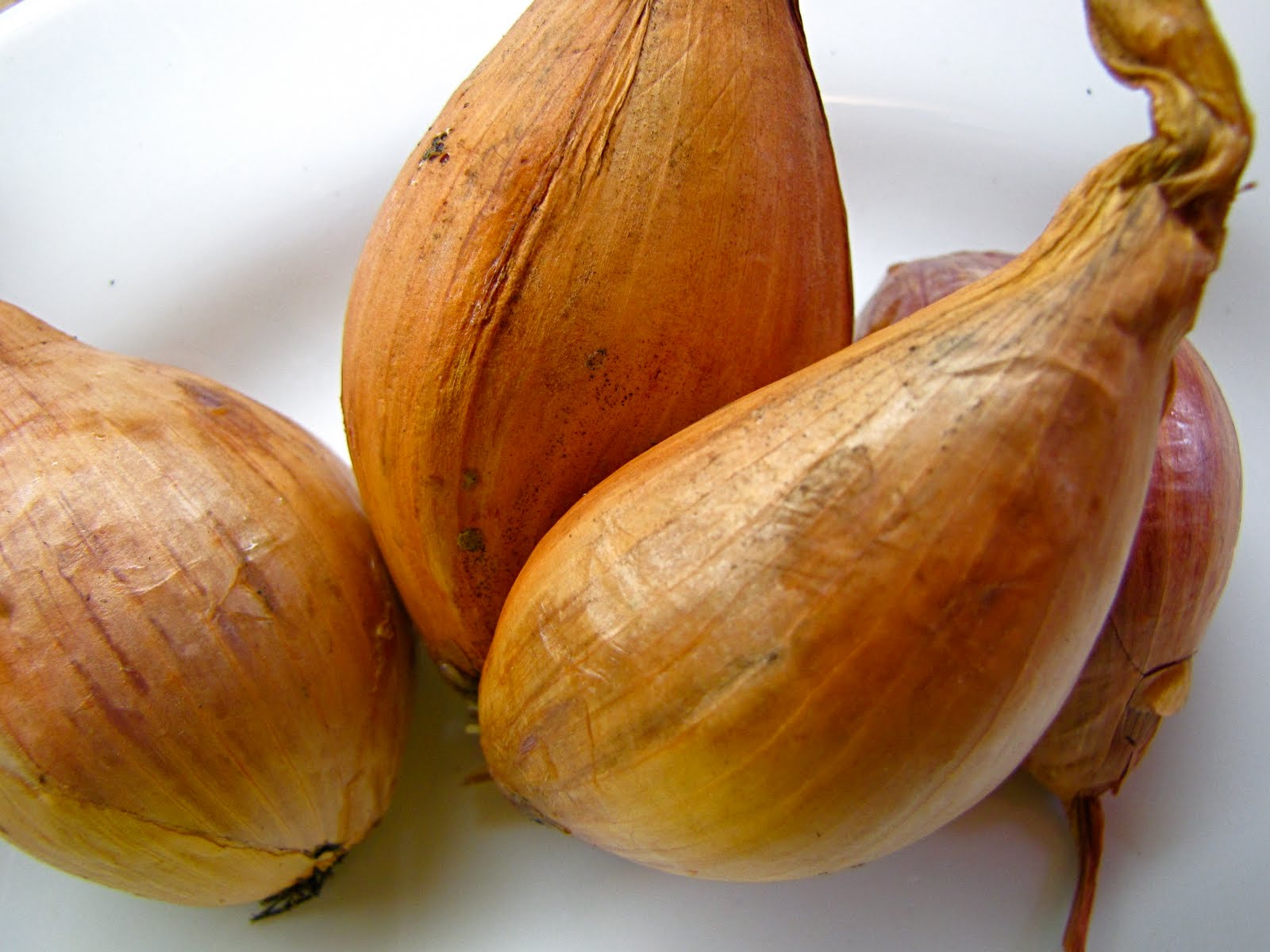
I grabbed a few shallots to round out the plan in my head, a vegetable dish that would be at home during Passover week and equally welcome at the Easter table.
I believe I succeeded.
Sweet Peas with Roasted Shallots over Wilted Watercress
2 shallots peeled and cut into quarters
1/4 cup of Olive Oil
1 teaspoon salt
1 teaspoon freshly ground pepper
1 bunch watercress, washed and dried, stems trimmed
2 cups of fresh or frozen peas
1 Tbs. lemon zest
2 Tbs. lemon Juice
Preheat oven to 425. Put shallots in a small baking dish and toss with 1 Tbs. of the Olive oil. Roast in hot oven for 15 minutes. Remove form oven and set aside to cool. In a saute pan heat the rest of the olive oil on meduim heat and add the black pepper to the oil, saute for 2 minutes. Chop up the shallots and add them to the saute pan, then add the peas, stirring carefully to coat all the peas with the oil. Allow to simmer for 5 minutes, till the peas are tender. Add the lemon zest to the peas, toss and cook one more minute.
On a serving plate arrange the watercress. Dress the watercress with the salt and the lemon juice. Pour the hot peas with the oil from the pan into the center of the watercress nest. Drizzle the hot oil over all the watercress.
Serves Four
Amanda
First, I have to comment about Deb's pictures. Each one is more beautiful than the last. Just stunning! As for the Manhattan Fruit Exchange - I think I have to make a trip into NYC just to go to that market! I wish we had something like that near me. I could easily spend a few hours in a place like that!
Deb's recipe sounds like the perfect salad course as a starter to a larger meal. If served like this, I would love to enjoy a crisp, lively Sauvignon Blanc with it. Then I would move on to bigger wines with the main course. Something from New Zealand, or France would work perfectly. Or even a Sauvignon Blanc / Semillon blend from Bordeaux. The citrus, grassy flavors of the wine will complement the dressing flavors in the salad. I would also not hesitate to sip a Muscadet with this dish as well.
One of my favorite Sauvignon Blancs is from Kim Crawford in New Zealand. Very lively, and bright with great acidity. Lots of grassy, herbal flavors. For Muscadet, I love the Domaine de la Fruitiere Cuvee Petit M, with it's intense aromatics and wonderful minerality. Both wines can be found for around $14.99.
Bring a sweater if you plan a shopping visit to Manhattan Fruit Exchange located in Chelsea Market. The whole place is refrigerated. The always amiable cashier ladies who work there pad themselves with layers of clothing to withstand the conditions. Bring cash too. These small obstacles are no boundary for the kid in a candy store experience that vegetable lovers will have in this heavily stocked store. It is my go-to stop whenever I need something specific for a recipe and it never disappoints. I almost always see chef's in white jackets prowling the aisles there for last minute ingredients. Today the store had scotch bonnet peppers (mislabeled as Habaneros, which are similar but slightly different!)
I fawned my way through the store pulling myself past their vast selections of cheeses, nuts, rices, mushrooms, herbs, baby vegetables, and exotic fruit to the organic section where I fell in love with a bunch of hydroponic watercress. Next into my basket went some fresh peas in their pods.
When purchasing fresh peas be aware that one pound of pods can yield barely over a cup of peas.
I grabbed a few shallots to round out the plan in my head, a vegetable dish that would be at home during Passover week and equally welcome at the Easter table.
I believe I succeeded.
The sweet mild peas get a depth of flavor from the roasted shallots. The wilted watercress and lemon juice add a lively counterpoint.
Sweet Peas with Roasted Shallots over Wilted Watercress
2 shallots peeled and cut into quarters
1/4 cup of Olive Oil
1 teaspoon salt
1 teaspoon freshly ground pepper
1 bunch watercress, washed and dried, stems trimmed
2 cups of fresh or frozen peas
1 Tbs. lemon zest
2 Tbs. lemon Juice
Preheat oven to 425. Put shallots in a small baking dish and toss with 1 Tbs. of the Olive oil. Roast in hot oven for 15 minutes. Remove form oven and set aside to cool. In a saute pan heat the rest of the olive oil on meduim heat and add the black pepper to the oil, saute for 2 minutes. Chop up the shallots and add them to the saute pan, then add the peas, stirring carefully to coat all the peas with the oil. Allow to simmer for 5 minutes, till the peas are tender. Add the lemon zest to the peas, toss and cook one more minute.
On a serving plate arrange the watercress. Dress the watercress with the salt and the lemon juice. Pour the hot peas with the oil from the pan into the center of the watercress nest. Drizzle the hot oil over all the watercress.
Serves Four
Amanda
First, I have to comment about Deb's pictures. Each one is more beautiful than the last. Just stunning! As for the Manhattan Fruit Exchange - I think I have to make a trip into NYC just to go to that market! I wish we had something like that near me. I could easily spend a few hours in a place like that!
Deb's recipe sounds like the perfect salad course as a starter to a larger meal. If served like this, I would love to enjoy a crisp, lively Sauvignon Blanc with it. Then I would move on to bigger wines with the main course. Something from New Zealand, or France would work perfectly. Or even a Sauvignon Blanc / Semillon blend from Bordeaux. The citrus, grassy flavors of the wine will complement the dressing flavors in the salad. I would also not hesitate to sip a Muscadet with this dish as well.
One of my favorite Sauvignon Blancs is from Kim Crawford in New Zealand. Very lively, and bright with great acidity. Lots of grassy, herbal flavors. For Muscadet, I love the Domaine de la Fruitiere Cuvee Petit M, with it's intense aromatics and wonderful minerality. Both wines can be found for around $14.99.
Monday, February 22, 2010
stir crazy
Deborah
We are in the home stretch here for Winter. That's what I'm trying to tell myself at any rate. In fact it will still be weeks before the Green Markets in NYC are showing any new produce. Hang in there! It will be worth the wait when the first lettuces and chives and radishes hit the market.
Until then...
Looking at the same old stuff and in an effort to generate some excitement I try to shake things up with a little knife action. I want to make a very simple vegetable dish that is pretty and flavorful enough to combat the end of winter blues.
The idea is to chop the vegetables small, into what I call a rough julienne cut, then quickly blanch them. For the next step you toss everything together in a pan with seasoned oil and thats it!


This technique accomplishes a few things: you can combine odds and ends of vegetables and season them any way you like AND it makes everything seem new again (well a little anyway.)
Amanda what are we going to sip with this spirit-lifting solution to a cold drab day?
Amanda
Sauvignon Blanc is the way to go. To be more specific, New Zealand Sauvignon Blanc. When grown in NZ, the grape exhibits a grassy, herbaceous, vegetal character. It's also been known to display aromas of asparagus. Because of its herb-nuanced flavor, it is a perfect match for vegetables in general (especially green vegetables). Sauvignon Blancs from New Zealand are extremely crisp and lively, which will help "lift the spirit" on a cold, dreary day!
Kono Sauvignon Blanc is a good choice at $9.99 per bottle. The wine comes from the cooler region of Marlborough, which results in a wine full of citrus, gooseberry and stonefruit flavors. (Sauvignon Blancs from warmer climates have more richness of fruit).
Also look to the Loire Valley in France for some wonderful Sauvignon Blanc options. A favorite producer is Pascal Jolivet. Also, be sure to pick out a recent vintage. Jolivet's Sancerres are typically youthful and racy with great balance and elegance.
I agree with Deb - I am so ready for Spring! This recipe and wine pairing is ideal to "set the mood" for the impending warmer weather! I am in a Springtime State of Mind!
We are in the home stretch here for Winter. That's what I'm trying to tell myself at any rate. In fact it will still be weeks before the Green Markets in NYC are showing any new produce. Hang in there! It will be worth the wait when the first lettuces and chives and radishes hit the market.
Until then...
Looking at the same old stuff and in an effort to generate some excitement I try to shake things up with a little knife action. I want to make a very simple vegetable dish that is pretty and flavorful enough to combat the end of winter blues.
The idea is to chop the vegetables small, into what I call a rough julienne cut, then quickly blanch them. For the next step you toss everything together in a pan with seasoned oil and thats it!
Cut everything relatively the same size, narrow strips on an angle. Blanch each vegetable in salted boiling water for one or two minutes until tender but still crunchy. I like to blanch each type of vegetable separately because a carrot will be done in 30 seconds while a green bean can take two minutes. This way all the vegetables are cooked to their perfect doneness. I use one large pot of boiling water and fish out each batch of the cooked vegetables with a spider before dropping the next batch in.
My beloved spider, purchased in Chinatown years ago.
To make the seasoned oil: Finely mince as much garlic as you like and saute briefly in olive oil and/or butter. Add chopped fresh herbs and any other seasoning you are in the mood for. I had some fresh thyme on hand. Then add all the vegetables into the pan and toss to coat with the seasonings. Serve right away. The vegetables will have some crunch and a savory goodness.
This technique accomplishes a few things: you can combine odds and ends of vegetables and season them any way you like AND it makes everything seem new again (well a little anyway.)
Amanda what are we going to sip with this spirit-lifting solution to a cold drab day?
Amanda
Sauvignon Blanc is the way to go. To be more specific, New Zealand Sauvignon Blanc. When grown in NZ, the grape exhibits a grassy, herbaceous, vegetal character. It's also been known to display aromas of asparagus. Because of its herb-nuanced flavor, it is a perfect match for vegetables in general (especially green vegetables). Sauvignon Blancs from New Zealand are extremely crisp and lively, which will help "lift the spirit" on a cold, dreary day!
Kono Sauvignon Blanc is a good choice at $9.99 per bottle. The wine comes from the cooler region of Marlborough, which results in a wine full of citrus, gooseberry and stonefruit flavors. (Sauvignon Blancs from warmer climates have more richness of fruit).
Also look to the Loire Valley in France for some wonderful Sauvignon Blanc options. A favorite producer is Pascal Jolivet. Also, be sure to pick out a recent vintage. Jolivet's Sancerres are typically youthful and racy with great balance and elegance.
I agree with Deb - I am so ready for Spring! This recipe and wine pairing is ideal to "set the mood" for the impending warmer weather! I am in a Springtime State of Mind!
Subscribe to:
Posts (Atom)